Smart Alarm Clocks: The Connected Bedroom
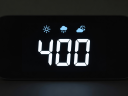
As the Internet of Things (IoT) expands, the bedroom nightstand has evolved. Smart alarm clocks do far more than just tell the time and wake you up; they act as centralized hubs for smart home control, media consumption, and daily planning. By integrating voice assistants and Wi-Fi connectivity, these devices redefine the morning routine.
Voice Control and Smart Home Integration
The hallmark of a smart alarm clock is the integration of voice assistants. Instead of fumbling for buttons in the dark, you can simply speak a wake word and dictate your alarm time. This hands-free operation extends to snoozing or cancelling alarms.
Beyond alarms, these clocks act as triggers for automated routines. A single command can turn off the alarm, turn on the bedroom lights, adjust the thermostat, and start a coffee maker connected to a smart plug. When evaluating a smart clock, ensure it supports the ecosystem (e.g., Alexa, Google Assistant, or HomeKit) already present in your home to maximize these automation benefits.
Sleep Tracking Capabilities
Several advanced smart clocks incorporate radar or ultrasonic sensors to monitor sleep without requiring you to wear a smartwatch. By analyzing your movement and breathing patterns from the nightstand, these devices calculate how long you spent in light, deep, and REM sleep. Some models can even use this data to trigger a "smart alarm"—waking you up during a light sleep phase within a predefined 30-minute window, minimizing grogginess.
Privacy Considerations
Introducing internet-connected microphones and cameras into the bedroom legitimately raises privacy concerns. The bedroom is the most private space in a home, and audio recording devices can cause anxiety for many users.
To mitigate this, reputable manufacturers include physical privacy controls. Look for devices featuring a physical microphone mute switch that electrically disconnects the mic, ensuring it cannot be overridden by software. If the clock features a camera (often used for video calls or gesture controls), a physical sliding shutter is an absolute necessity.
Routines and Information Display
Smart clocks with screens can display a personalized dashboard upon waking. Instead of a simple time readout, they can show your upcoming calendar appointments, the local weather forecast, and expected traffic delays for your commute. This immediate access to relevant information allows you to mentally prepare for the day before your feet hit the floor.
Pros and Cons
Advantages
- Hands-free voice control for setting alarms and checking information.
- Seamless integration with smart home lighting and thermostats.
- Ability to stream music, podcasts, or radio directly from internet services.
- Dynamic displays offer calendar, weather, and traffic updates.
Disadvantages
- Requires a stable Wi-Fi connection; functionality is crippled during internet outages.
- Privacy concerns regarding microphones and cameras in the bedroom.
- Potential for screen distractions and notifications if not configured properly in "Do Not Disturb" mode.
- Software updates can occasionally introduce bugs or alter the user interface.