Travel Alarm Clocks: Reliable Waking on the Go
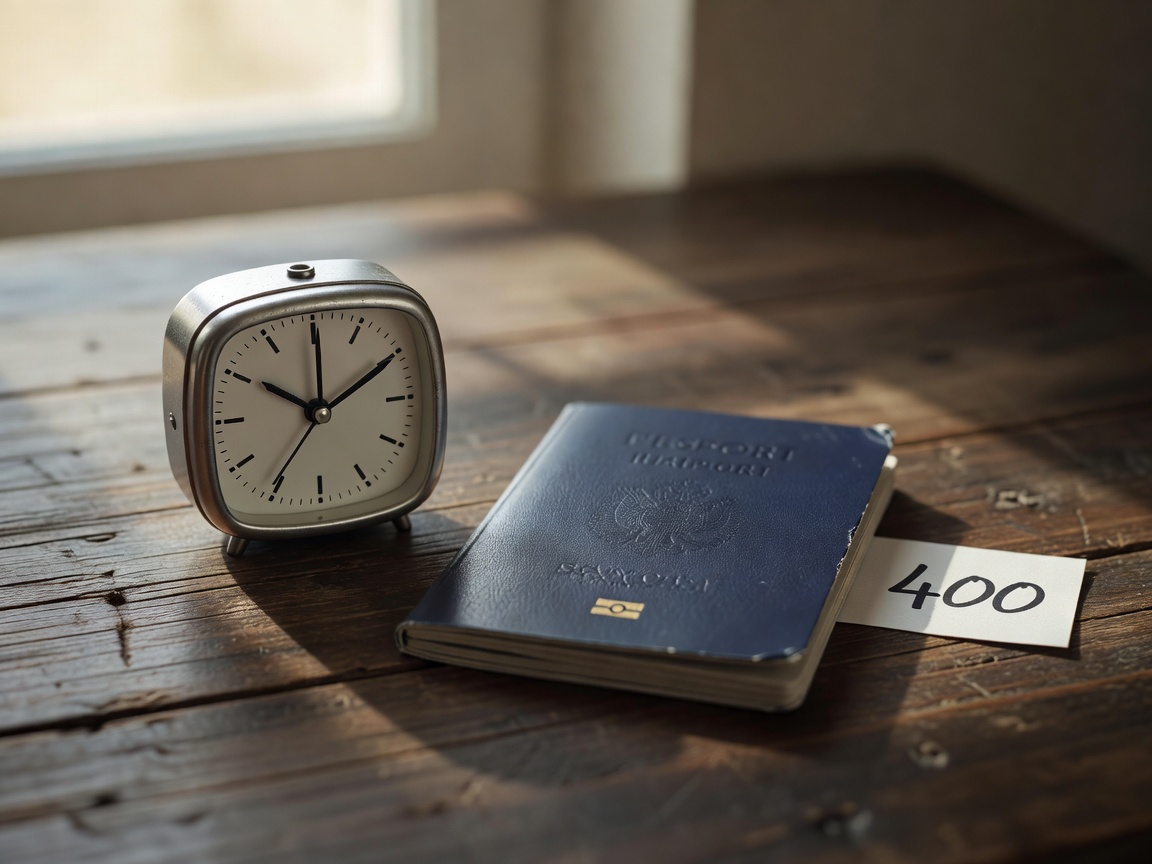
While hotel rooms frequently provide an alarm clock, deciphering an unfamiliar device at midnight after a long flight is a common frustration. A dedicated travel alarm clock offers familiarity, reliability, and peace of mind when crossing time zones. Designed to be packed into tight spaces and survive the rigors of transit, these specialized clocks remain a vital tool for the frequent traveler.
Size and Form Factor
The defining characteristic of a travel alarm is its footprint. They must be small enough to slide into a toiletries bag or the side pocket of a carry-on without adding noticeable bulk or weight. Many feature a "clamshell" or folding design. A protective cover flips over the screen or dial during transit, guarding against scratches from keys or chargers in your bag. Once unfolded, the cover usually acts as a stable stand.
Power Efficiency and Reliability
Travel clocks cannot rely on wall outlets, given the variance in global plug standards and voltage. Therefore, they are universally battery-operated, typically running on one or two standard AAA or button-cell batteries. Because they lack continuous, bright backlights (instead utilizing a push-button light for momentary viewing), their power draw is exceptionally low. A high-quality travel clock can easily run for over a year on a single set of batteries, ensuring it is always ready to go when you pack it.
Time Zone Management and Auto-Setting
Frequent border crossings require frequent time adjustments. The best travel digital clocks make this process painless. Some advanced models include radio-controlled receivers that sync with atomic clock radio signals (such as WWVB in North America or MSF in the UK). Upon arriving at your destination, you simply select the new time zone, and the clock automatically adjusts to absolute precision overnight.
For standard models, look for dedicated forward and backward adjustment buttons. The last thing a tired traveler wants is to accidentally overshoot their desired wake-up time and be forced to cycle through 24 hours of numbers to fix it.
Durability Considerations
Baggage handlers are not gentle, and luggage shifts continuously during flight. A travel clock must survive drops and compressions. Analog travel clocks should feature covered dials to protect the hands, while digital models benefit from recessed screens. High-impact plastics and rubberized edges are common materials chosen for their resilience against travel-related impacts.
Pros and Cons
Advantages
- Ultra-compact and lightweight, taking up minimal luggage space.
- Eliminates reliance on unfamiliar, complicated hotel room clocks.
- Exceptional battery life negates the need for travel adapters.
- Folding designs protect screens and buttons from accidental presses in your bag.
Disadvantages
- Small screens and dials can be difficult to read without glasses in the middle of the night.
- Buzzer volume is often lower than full-sized bedside units due to small speaker sizes.
- Easily misplaced or left behind in hotel rooms due to their small size.